Article
The Sentinel of the Shore: Exploring Blackwater National Wildlife Refuge
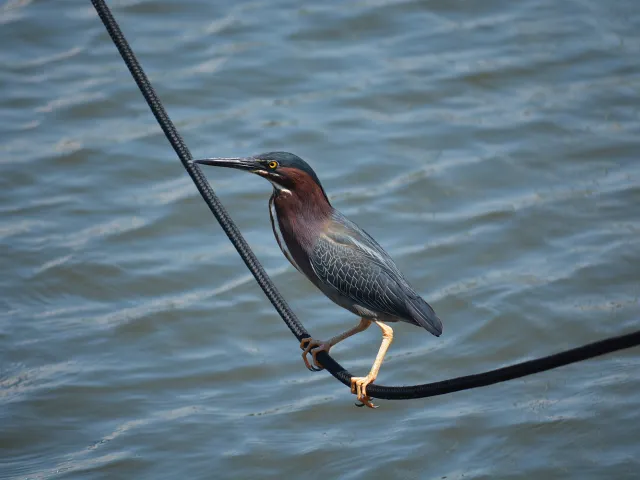
Discover the 28,000 acres of sanctuary where eagles and fishers and migratory birds find refuge in the heart of Dorchester County.
Eastern Shore stories, history, places, and field notes.
Article
Discover the 28,000 acres of sanctuary where eagles and fishers and migratory birds find refuge in the heart of Dorchester County.
Article
As Maryland pushes toward renewable energy targets, Dorchester County finds itself at the center of a growing solar landscape. From operational farms to new legislative regulations, we examine the current state of utility and community solar.
Article
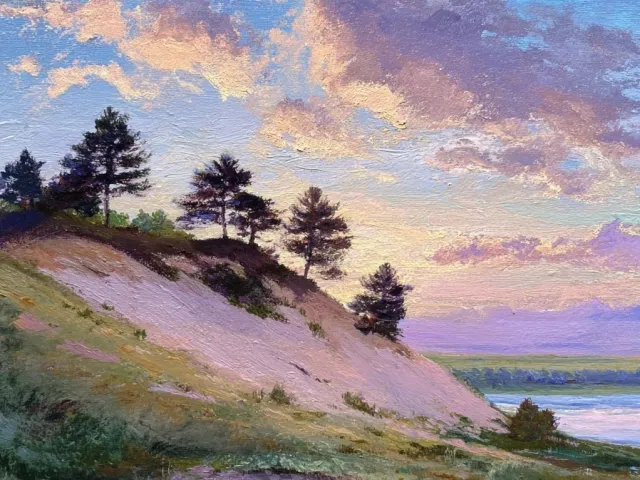
A look at the geological and ancestral significance of the high sands overlooking the Choptank River.
Article
A look back at the historical significance of the Great Eastern Shore Tomato Festival in Vienna, MD, and an exploration of its current status following years of absence.
Article
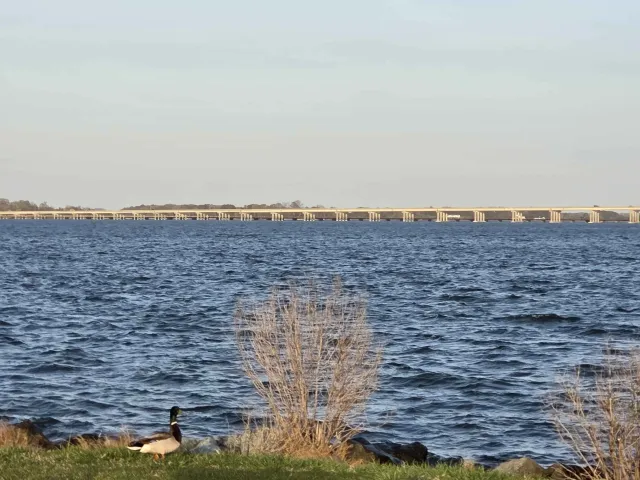
A recent set of photos from Cambridge captured mallard ducks at Gerry Boyle Park at Great Marsh, the waterfront park many locals still call Great Marsh Park. The sighting is a reminder that some of the Eastern Shore’s most familiar wildlife remains easy to notice in the middle of town.
Article
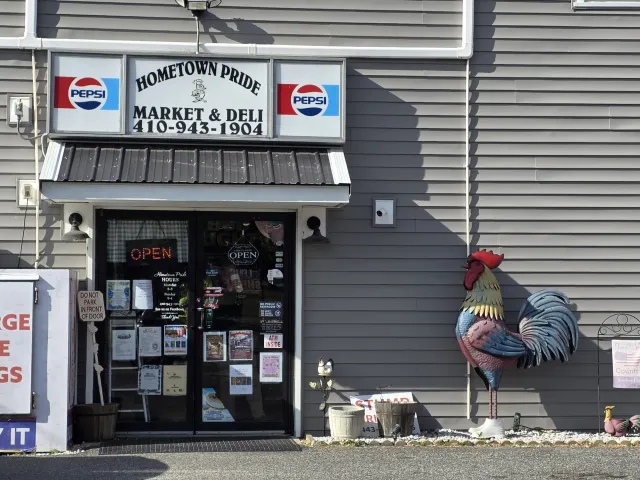
At 104 Main Street in East New Market, Hometown Pride Market & Deli combines a small-town market with prepared food that local listings and customer reviews consistently praise for friendly service, fried chicken, and breakfast served all day.
Article
Some Eastern Shore stories live in the archives. Others live in the marsh. The legend of Big Liz is a haunting piece of Dorchester County folklore, centered on a tale of betrayal and violence in the Greenbrier Swamp that has persisted through generations.
Article
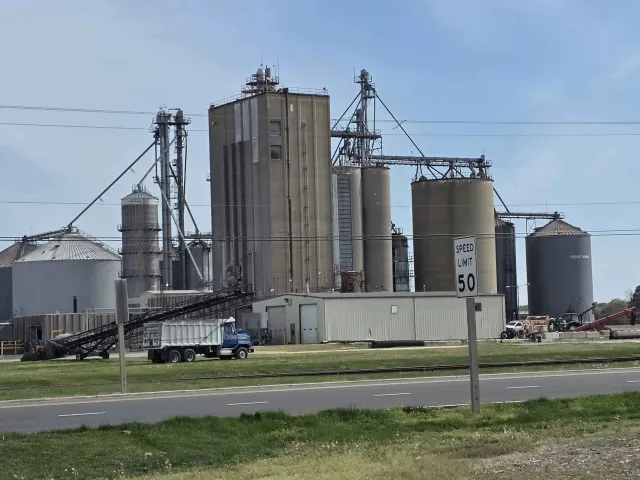
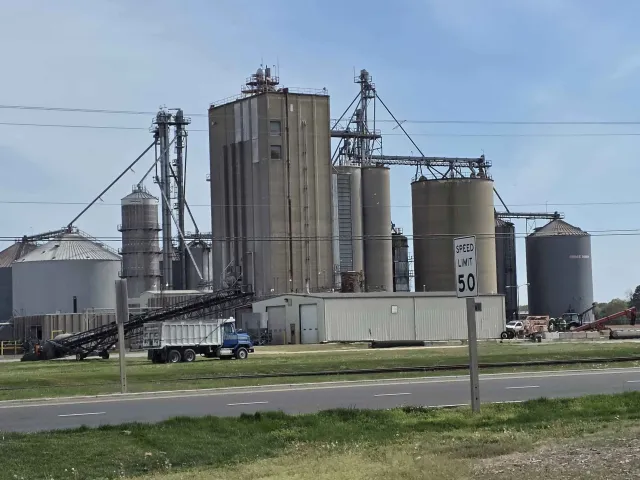
The grain silos and covered corn piles outside Hurlock are a familiar sight to local drivers, but they also point to a much larger story about modern agriculture, harvest pressure, and how the Eastern Shore changed over time.

Article
For more than half a century, Terry Crannell has helped people on Maryland’s Eastern Shore see Native history not as something distant, but as something still present in the land beneath their feet.