Place
Janes Island State Park
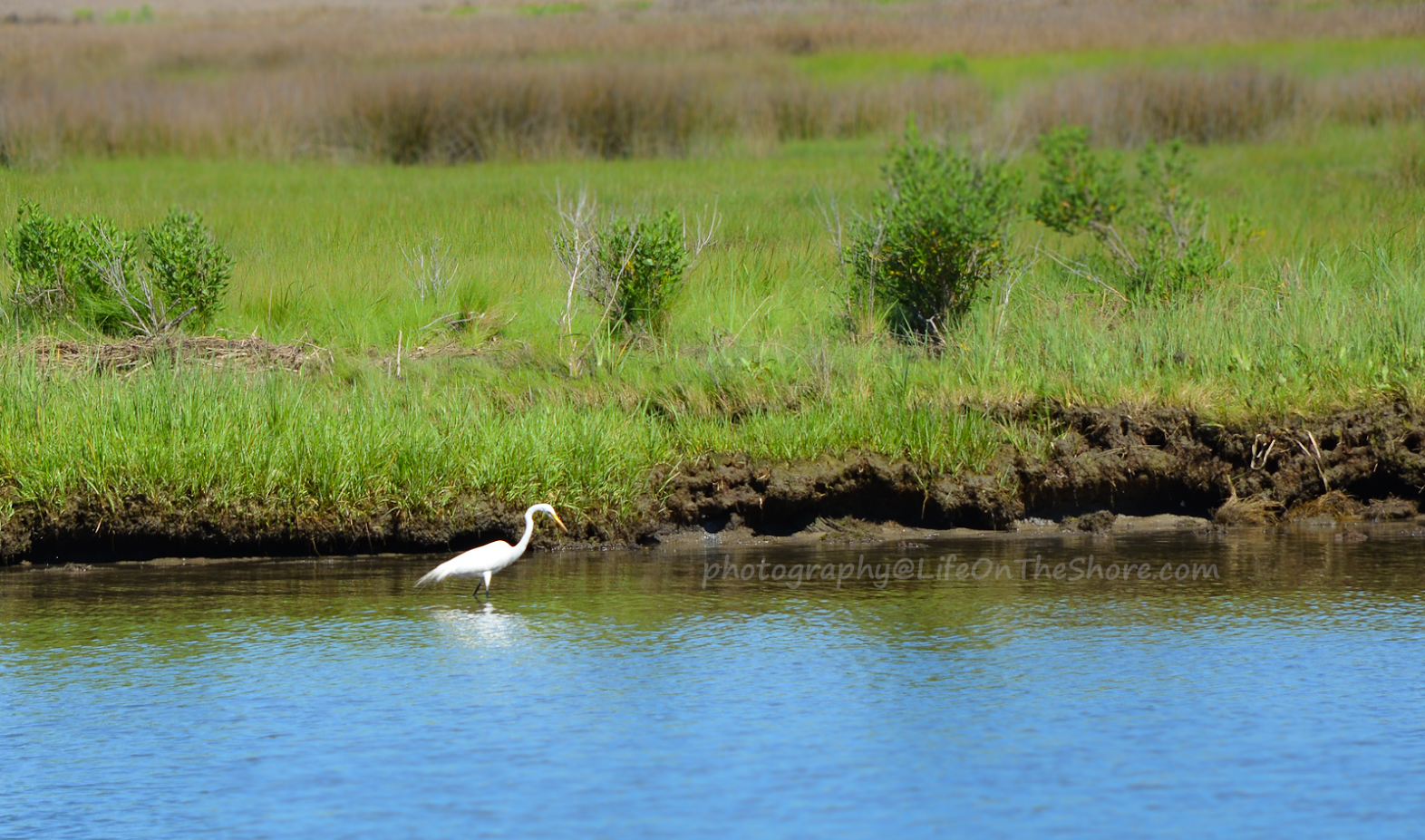
Janes Island State Park near Crisfield, Maryland, protects a remarkable saltmarsh-and-water-trail landscape on the lower Eastern Shore. The park combines a mainland campground, marina, cabins, picnic areas, and boat launch with more than 2,900 acres of island marsh, more than 30 miles of marked water trails, and remote Tangier Sound beaches reached by boat or paddle.
Janes Island State Park sits just outside Crisfield in Somerset County, where the lower Eastern Shore opens toward Tangier Sound and the wide rhythms of the Chesapeake Bay. It is one of Maryland’s clearest examples of a park shaped by tide, marsh, wind, and water access rather than by a single overlook or trailhead.
The park has two closely connected personalities. On the mainland side, visitors find the campground, rental cabins, lodge, picnic areas, pavilions, nature center, marina, boat launch, and support facilities. This is the practical base camp: a place to launch a kayak, rent a canoe or paddleboard in season, camp for the weekend, fish from accessible areas, or settle in before heading out onto the water.
Across the channels and marsh creeks, Janes Island itself is wilder. Maryland Department of Natural Resources describes the island portion as more than 2,900 acres of saltmarsh with more than 30 miles of marked water trails and miles of isolated beach. The landscape is a haven for birds, fish, crabs, and other saltmarsh life, and it gives visitors a chance to experience the Chesapeake in a form that still feels ruled by weather, tide, and habitat.
For paddlers, Janes Island is the main draw. The park’s water trail system includes seven marked trails that begin and end at the park marina and boat launch. Routes range from short protected marsh paddles to longer trips that touch Tangier Sound, the Big Annemessex River, the Little Annemessex River, creeks, and open water. Maryland DNR notes that most of the waterways are protected from wind and current, making the trail network useful for both newer paddlers and more experienced boaters, though conditions should always be checked before going out.
The yellow trail is especially tied to the park’s beach experience. A boat dock off the trail at Flatcap Beach gives access to a long, unspoiled bay-side beach on Janes Island. Swimming is allowed only on the Tangier Sound side beaches of the island, and those beaches are unguarded and accessible only by boat, so visitors should treat them as remote natural areas rather than conventional guarded swimming beaches.
Janes Island also carries the everyday vocabulary of the lower Shore: fishing, crabbing, boating, camping, paddling, marsh birds, biting insects in summer, and sunsets over big water. Anglers use the marina, docks, marsh creeks, and Tangier Sound for species such as striped bass, sea trout, spot, croaker, flounder, and bluefish. Crabbing is part of the experience too, especially along Daugherty Creek canal and the waters surrounding the park.
The park is accessible as a day-use destination, but it rewards planning. Maryland DNR lists day-use hours as sunrise to sunset, with certain activities such as fishing, boat launch use, and permitted hunting allowed outside regular park hours. There is no day-use entry fee, but there is a fee for the boat ramp. Summer visitors should prepare for biting flies, mosquitoes, and ticks, which are part of the park’s natural saltmarsh environment.
Camping is a major part of Janes Island’s identity. The mainland campground has more than 105 campsites, with a portion equipped for electrical hookup, along with bathhouses, picnic tables, fire rings, and lantern posts. The park also offers primitive backcountry campsites along the water trails, but those environmentally sensitive sites require permits from the park and careful Leave No Trace practices.
For LifeOnTheShore, Janes Island State Park belongs in the place guide because it represents the Eastern Shore at its most elemental. It is not only a recreation site; it is a living edge between town, marsh, river, sound, and bay. The park helps people see why public access, tidal wetlands, and protected shoreline matter here. It gives locals and visitors a way to move slowly through the marsh, notice the wildlife, and understand Crisfield’s surrounding waters as more than scenery.
A good visit to Janes Island is less about rushing through a checklist and more about respecting the tidewater setting. Bring insect protection, watch the weather, check current park information, and remember that the island beaches and water trails are natural places. The reward is one of the lower Shore’s most memorable landscapes: quiet marsh channels, distant beaches, working water, birdlife, and the feeling of being held inside the Chesapeake’s tidal world.