Place
Hoopers Island
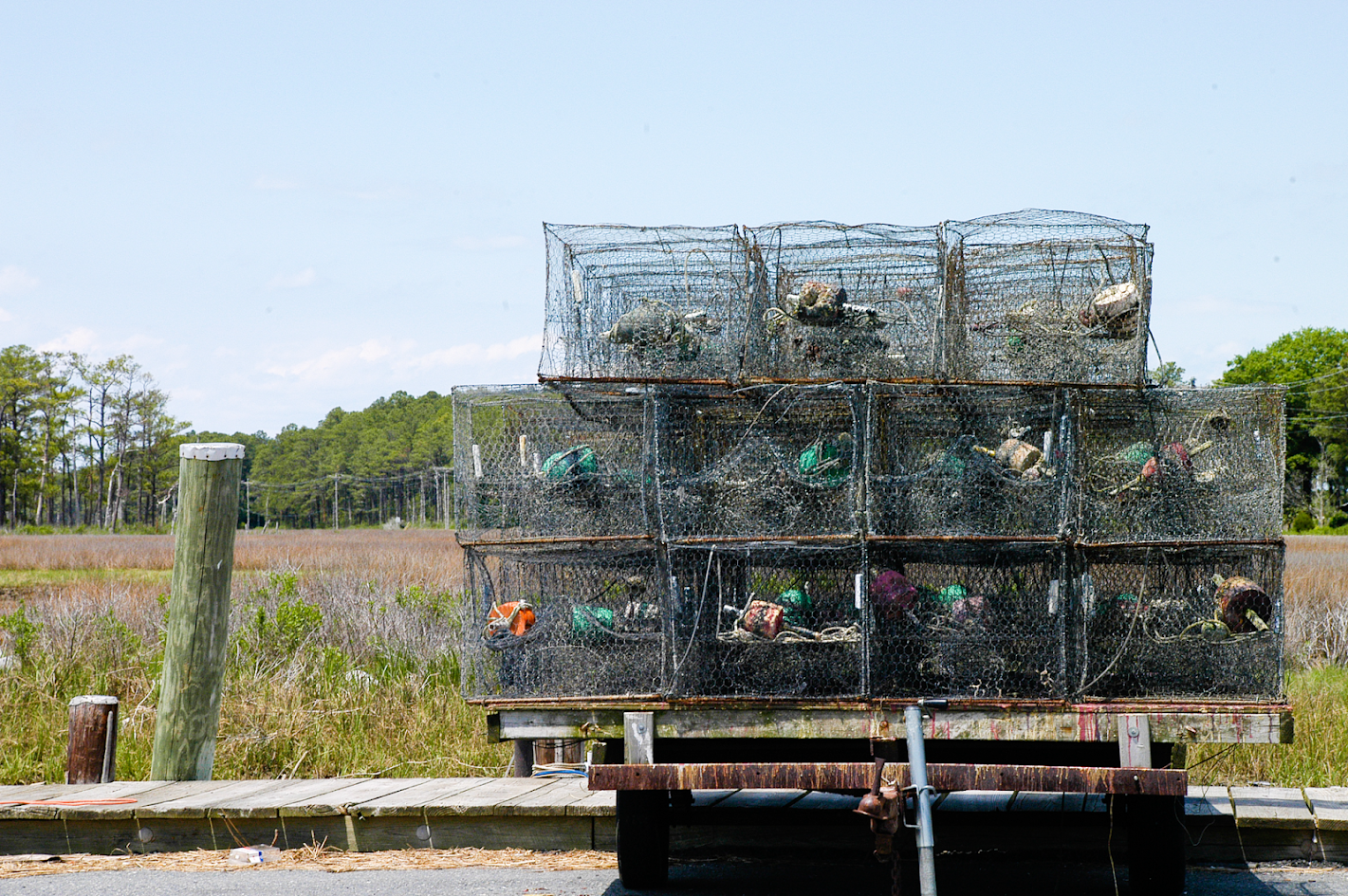
Hoopers Island is a chain of Chesapeake Bay islands in southwestern Dorchester County, Maryland, reached by Hoopers Island Road south of Cambridge. Upper and Middle Hoopers Island remain working watermen communities, with marsh, bridges, seafood houses, birding, churches, and broad water views between the Chesapeake Bay and the Honga River.
Hoopers Island is one of Dorchester County’s most distinctive tidewater places: not a single island in the simple sense, but a chain of low, narrow islands and villages stretching into the Chesapeake Bay landscape south of Cambridge. The drive out Hoopers Island Road passes marsh, bridges, water, small communities, and working shoreline before reaching Fishing Creek, Honga, and Hoopersville.
Dorchester County Tourism describes Hoopers Island as three islands with authentic working watermen villages. Upper Hoopers Island and Middle Hoopers Island remain connected by road and bridges. Lower Hoopers Island, once connected by a wooden bridge, is no longer reachable by road after the bridge was washed out and never replaced. That detail matters because it gives the place a visible sense of change: settlement, water work, erosion, storm damage, and adaptation are all part of the island story.
The road itself is a large part of the experience. Maryland Route 335 becomes Hoopers Island Road and then Hoopersville Road, carrying travelers across causeways and high-arched bridges with the Chesapeake Bay to the west and the Honga River to the east. The landscape opens and narrows again and again: marsh grasses, pine hummocks, workboats, creeks, docks, seafood buildings, churches, cemeteries, and wide water. It is scenic, but it is not scenery detached from daily life.
Hoopers Island is deeply tied to the watermen’s culture of the Chesapeake. Dorchester County Tourism notes that islanders farmed, built ships, canned tomatoes, sewed work clothing, and worked the water across different periods of the island’s history. Today the community remains associated with crabbing, oystering, seafood processing, charter fishing, and aquaculture. In season, the work of the water is visible in boats, gear, crab operations, oyster businesses, and the rhythm of local traffic.
That working character is what makes Hoopers Island important for LifeOnTheShore. It is not only a scenic drive or a day-trip destination. It is a living Chesapeake community where industry, family history, ecology, and weather all meet. The island has restaurants and visitor stops, but its deeper value is in what it preserves and reveals: how a Shore community can remain oriented toward water even as the land beneath it changes.
The area also has strong birding and natural-history value. The Birders Guide to Maryland and DC describes Hoopers Island as a saltmarsh habitat and a productive birding area, especially because of its position at the end of a southward-facing peninsula. Waterfowl, raptors, herons, egrets, shorebirds, gulls, terns, loons, grebes, Bald Eagles, and Ospreys are all part of the broader birding picture, depending on season and location. The guide also cautions that much of the land along the road is privately owned, with few places to pull over, so visitors should be respectful, careful, and avoid blocking roads or entering private property.
History is present in quieter ways too. Dorchester County Tourism connects the island’s name to Henry Hooper, whose family settled there in 1669. Churches such as Hosier Memorial United Methodist Church and Hoopers Memorial Methodist Church are part of the island’s built memory. Offshore, Hooper Island Lighthouse stands in the bay as an inactive caisson lighthouse visible on clear days from parts of Middle Hoopers Island.
A visit to Hoopers Island should be approached with patience and respect. The roads are narrow, shoulders are limited, flooding can affect low-lying areas during extreme high tides, and many of the most photogenic views are beside homes, businesses, docks, and private land. This is a place to move slowly, watch the weather, take care on bridges and pull-offs, and remember that local people are not part of the scenery.
For locals, Hoopers Island is part of Dorchester County’s living shoreline identity. For visitors, it can be a powerful introduction to the lower Eastern Shore: a place where the Chesapeake is not abstract, where seafood work still matters, where marsh and road exist in close negotiation, and where the future of low-lying coastal communities can be seen in real time.
Hoopers Island belongs in the LifeOnTheShore place guide because it helps explain the Shore honestly. It is beautiful, but not polished. It is historic, but not frozen. It is fragile, but not gone. It remains a working water place, shaped by people who have long made their lives between the bay, the river, the marsh, and the road home.